Action Lines How to format a text message in your screenplay. Text messages in modern stories are pretty much unavoidable now. Write enough screenplays and it’s eventually going to come up.
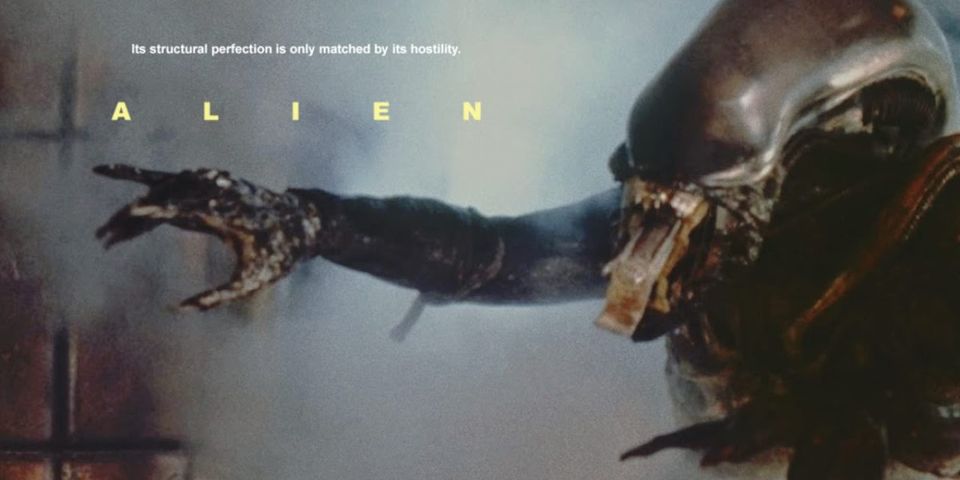
Structure The magic of sequence throughlines. While ALIEN was not written in 8 sequences, it is a superb example of the 8-sequence approach.
Character How does the character solve problems? How a character solves their problems is a defining characteristic that we often forget.
Structure The 3-Part Act 1 and the Inciting Incident. Sometimes the needs of Act 1 do not lend themselves to an early inciting incident. For those unique stories, you have the 3-Part Act 1.
Process Write your Spec. But first, write your treatment. I used to hate treatments. Now it's an immensely valuable part of my process.
The Mental Battle A nepo baby's main advantage is something you can emulate. The biggest advantage of nepotism isn't the connections; it's the immersion in the craft and the embedded belief that a career is possible.
Structure Screenplay structure is fractal. I approach each screenplay structure as a fractal and have found that the most satisfying screen stories follow this pattern.
Structure How the monster movie structure can help you with any genre. When structuring your story, you don't have to start from scratch. There are plenty of places to look for inspiration, and one of them is genre.
Character What motivates the characters in your screenplay? Anxiety means well. Anxiety’s job is to protect us, after all. It’s just usually an incredibly unskilled and unproductive way to do it.
Structure The two key elements to narrative momentum. Narrative momentum is the force that keeps the audience compelled to continue watching. It's why a good 3-hour movie can go by so much faster than a bad 90 minute film.
Structure How to structure a story with a relationship at the center. Relationships are vital for every story. Audiences care deeply about relationships, perhaps more than anything else. But what about when the relationship is the story?